Table of contents
Experience the exhilarating world of freeride sports as you explore the dynamic landscapes of mountain biking and skiing. Freeride enthusiasts seek the ultimate rush by venturing beyond marked trails, challenging their skills against nature’s raw terrain. Dive into this journey to uncover what makes freeride sports an unmatched adventure—discover expert techniques, gear essentials, and the spirit that fuels these adrenaline-packed pursuits.
What defines freeride sports
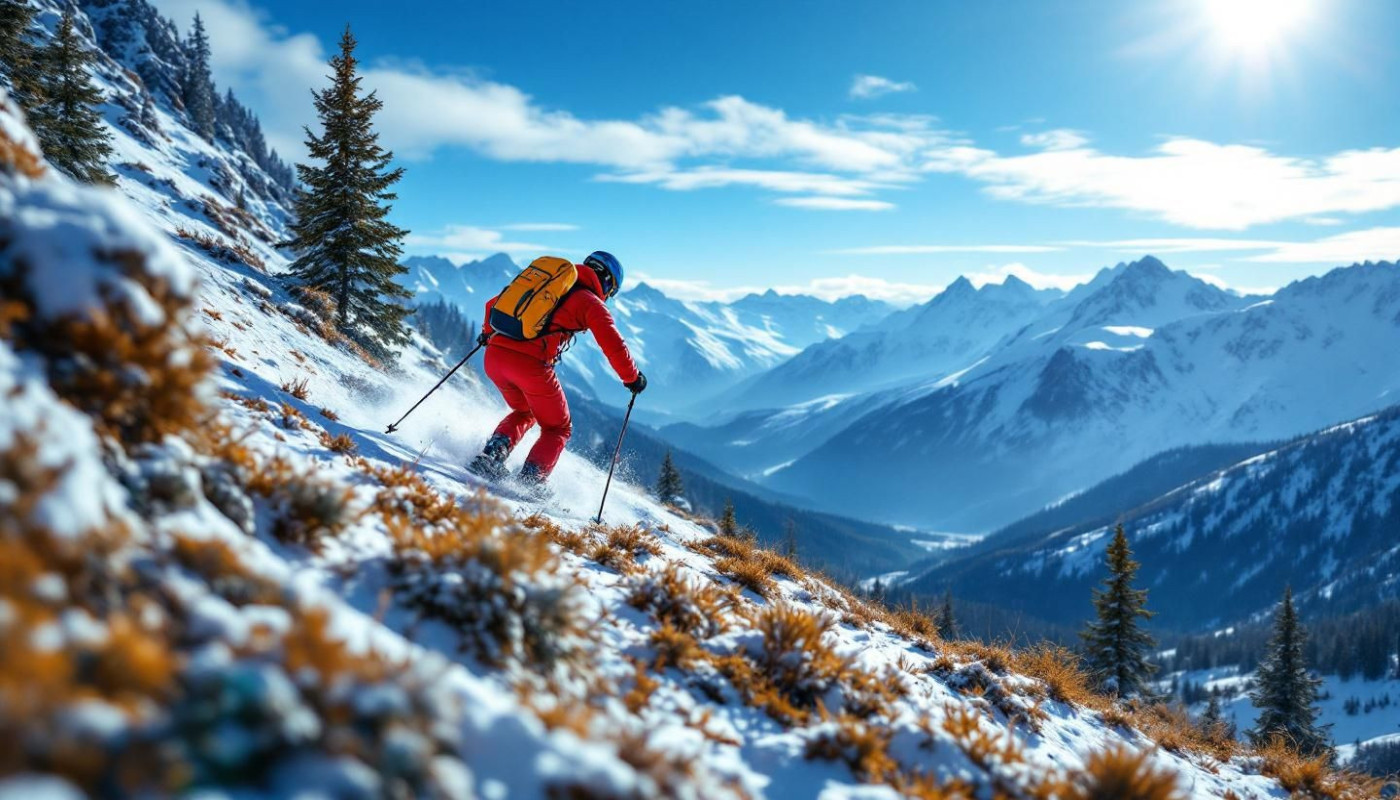
Freeride sports represent a distinctive approach within the world of outdoor adventure, standing apart from more structured or competitive disciplines. At their core, freeride activities like skiing and mountain biking revolve around the concepts of freedom and creativity, allowing athletes to interpret mountain environments in their own ways. Unlike set courses or race tracks, freeride sports encourage the selection of one’s own “line choice”—the route carved through unmarked, often unpredictable terrain. This autonomy fosters a sense of exploration and personal expression, as riders adapt dynamically to the features of the landscape, including cliffs, powder fields, forests, or rocky descents.
Embracing the inherently variable nature of mountain environments is central to freeride sports. Athletes are required to not only master technical skills, but also to excel in risk management, evaluating hazards such as avalanches, loose rocks, and rapidly changing weather. The thrill of these extreme sports stems from making constant decisions on the fly, balancing daring maneuvers with calculated safety measures. Such a philosophy makes freeride sports deeply engaging for those seeking adventure, as each outing becomes a unique experience shaped by both the terrain and the rider’s ingenuity.
Key skills for success
To master freeride sports such as skiing and mountain biking, a unique set of physical and mental skills must be developed, with dynamic stability serving as the foundation for all movement on unpredictable terrain. Balance and control are paramount, as riders and skiers must continuously adjust their posture and weight distribution to respond to rocks, roots, snow variations, or sudden drops. Effective freeride techniques require refined bike or ski handling abilities, allowing for precise edge control, braking, and acceleration even on the steepest descents or in deep powder. Skill development in these disciplines involves rigorous practice to translate fundamental movements into instinctive reactions, ensuring the body remains responsive and controlled throughout any maneuver.
Rapid decisions are at the core of every successful freeride run. The constantly shifting environment demands acute situational awareness, compelling athletes to assess and select optimal routes in real time. Route selection can mean the difference between an exhilarating line and a hazardous misstep. The ability to read terrain on the fly, anticipate changes in snowpack or trail surface, and interpret visual cues quickly, distinguishes top freeriders from the rest. Building this intuitive decision-making capacity is a long-term process rooted in both experience and deliberate mental preparation.
Mental resilience plays a critical role, as freeride sports expose participants to high consequences and unpredictable shifts in environmental conditions. Athletes must cultivate not only focus and confidence but also the capacity to adapt strategies when faced with unexpected obstacles. Mental preparation includes visualization techniques, scenario planning, and maintaining composure under pressure. By embracing both the risks and the rewards, freeriders reinforce their ability to recover from mistakes, learn from each outing, and push their boundaries safely.
Ultimately, the synergy between physical skill and psychological strength forms the backbone of successful freeride performance. Consistent training in dynamic stability, balance and control, and rapid decision-making, paired with targeted mental strategies, enables riders and skiers to unlock their full potential. Whether navigating a technical descent or carving a fresh line through untouched snow, these intertwined abilities ensure both safety and progression in the exhilarating world of freeride.
Choosing the right terrain
Selecting freeride terrain for skiing or mountain biking demands a thorough understanding of gradient analysis, natural features, and safety precautions. Start by evaluating the slope angle: optimal gradients vary depending on skill level, but generally, slopes between 25 and 40 degrees offer the most excitement while still allowing for control. Analyzing natural obstacles like rocks, roots, cliffs, and tree groups is essential, as these elements add challenge but can also present hazards. Terrain assessment should always consider avalanche risk in winter and loose surfaces or erosion in summer, making a careful slope assessment vital for both disciplines.
Environmental awareness plays a significant role in location scouting. Weather conditions influence freeride terrain: fresh snow can conceal hazards for skiers, while rain or mud impact mountain bike traction and stability. A certified mountain guide will evaluate recent weather patterns and forecast changes to ensure that safety precautions are met. Responsible riders and skiers must also respect ecological impact; sticking to established paths and minimizing disruption to local flora and fauna are key considerations when exploring or opening new lines. This approach not only protects the environment but also helps maintain access to freeride locations.
The process of scouting new freeride terrain involves both on-the-ground reconnaissance and research. Topographic maps, satellite imagery, and local advice are useful tools in identifying promising areas. When arriving at a new site, inspect entry and exit points, assess potential hazards, and carry the correct equipment for emergencies. For those seeking to experience premier locations with expert guidance and rental services, ski rental verbier offers access to world-famous freeride zones under the supervision of professionals. For more information, visit ski rental verbier.
Essential gear for performance
Freeride sports such as skiing and mountain biking demand a unique blend of specialized freeride gear designed for performance improvement and safety. Skis for freeride feature wider profiles and rockered tips, optimized for deep snow and variable terrain, while mountain bikes come equipped with robust suspensions, wider tires, and reinforced frames to handle technical descents and rough surfaces. High-quality materials like carbon fiber or advanced alloys offer superior strength without sacrificing weight, directly impacting both maneuverability and impact absorption during challenging rides or descents. Protective equipment remains a priority; helmets with multidirectional impact protection systems, body armor, padded shorts, and gloves are engineered to shield against falls, abrasions, and impacts. Safety devices such as avalanche transceivers for skiers or advanced lighting systems and GPS trackers for bikers improve situational awareness and emergency preparedness.
Proper gear maintenance is vital for both reliability and longevity. Regularly tuning ski edges, waxing bases, and inspecting bindings ensure skis respond precisely in different snow conditions, while mountain bikers benefit from routine brake checks, drivetrain lubrication, and suspension tuning. This attention to detail reduces the risk of equipment failure and maximizes control during high-speed maneuvers or unpredictable descents. Customization also plays a significant role; tweaking suspension settings, adjusting ski bindings, or selecting ergonomically suited components can enhance comfort, control, and ultimately, performance improvement. Using premium freeride gear and maintaining it diligently not only boosts confidence but also supports consistent safety, especially in remote or high-risk environments.
Technological advancements have transformed the landscape of freeride sports, with the integration of lightweight, durable materials and cutting-edge safety devices. Riders and skiers now benefit from greater impact absorption, minimized vibration, and adaptable gear that can be fine-tuned for specific terrain or weather conditions. Investing in protective equipment tailored to fit individual needs further enhances the overall freeride experience, allowing enthusiasts to push limits while significantly mitigating risk. When every detail is considered—from gear selection to meticulous upkeep—the result is a safer, more exhilarating adventure in the mountains.
Safety and environmental respect
Freeride safety demands a comprehensive approach that balances thrill with responsibility. To prepare for any outing, hazard assessment is vital; this includes monitoring avalanche forecasts, understanding snowpack conditions, and carrying avalanche safety equipment such as beacons, probes, and shovels. In mountain biking, similar vigilance applies: checking trail conditions, using proper protective gear, and knowing emergency procedures enhances security. Group communication plays a key role; establishing clear signals and staying within visual or vocal contact ensures no one is left behind and that responses to emergencies are coordinated. Maintaining environmental respect is equally essential, as riders and skiers should stick to marked trails, avoid sensitive habitats, and refrain from creating new paths to minimize ecological impact.
Practicing sustainable riding habits further supports both safety and environmental respect. Riders are encouraged to pack out all litter, avoid disturbing wildlife, and steer clear of terrain when it is vulnerable, such as after heavy rains or thawing periods. Trail etiquette should never be neglected, with right-of-way rules observed for both uphill and downhill traffic, and yielding to non-motorized users where applicable. Freeriders can also reduce their footprint by joining community trail maintenance days and advocating for conservation efforts. Prioritizing avalanche awareness and sustainable riding not only protects individuals but also preserves the mountain environments that make these adventures possible.
On the same subject


